
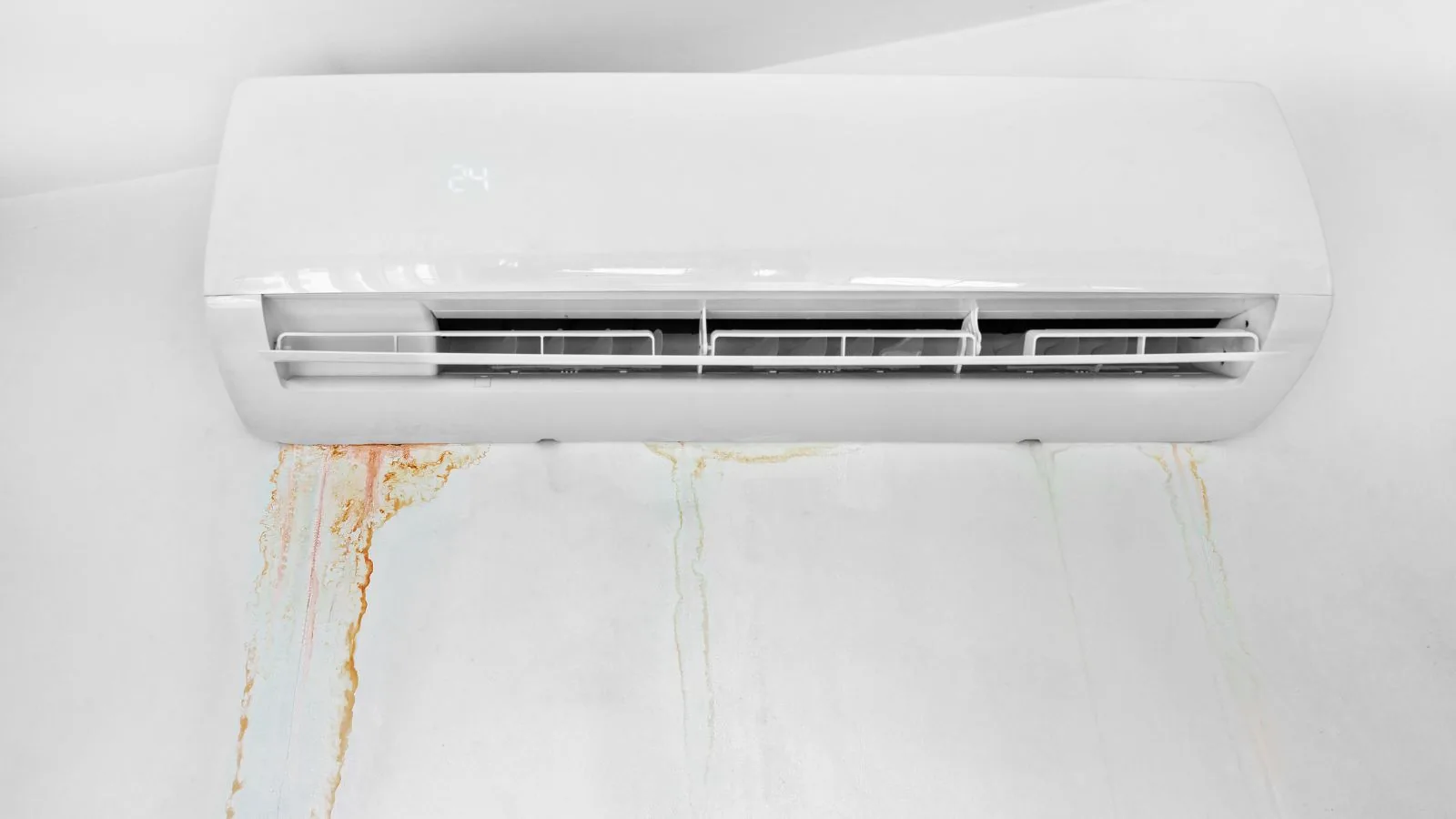
The first danger after water enters a home is often not the water itself but the electricity it touches. Outlets, cords, appliances and panels can all become hazards. Knowing what to do, and what not to do, can prevent injury. This article covers the steps in order, from the moment you discover the problem.
Do not walk through standing water to reach a panel
If water covers the floor and you have to wade to reach an outlet or breaker, do not go. Electricity can travel through water and cause serious injury. Call your electric utility or an electrician to disconnect power from outside the home. If you can reach the panel while standing on a dry surface, switch off the affected circuits or the main breaker.
Unplug what you can safely reach
If you are on dry ground and the cord is dry, unplug TVs, computers, lamps and chargers in the wet area. Do not touch a plug or cord with wet hands. If you are unsure, stay away and call for help.
Do not use wet electronics
Never power on a device that has been wet, even if it looks dry. Water inside a device can cause a short circuit or a fire when power returns. Take out batteries if you can do so safely, and leave the device to dry in a cool, ventilated place. Do not use a hair dryer, an oven or a microwave. Heat can damage components.
Water near outlets or the panel? Call the 24/7 line and stay out of the wet area.
Rice does not fix it
The idea that rice dries a phone is popular, though it is not reliable. A technician who can open the device, clean corrosion and test it is a better route for anything you care about. Back up data from other devices as soon as possible.
Floodwater and electronics
Items soaked in floodwater or sewage are contaminated. Corrosion starts quickly and may not show for weeks. Most such items should be replaced, though a technician may recover data from hard drives and phones.
Appliances
Refrigerators, ovens, washers, dryers and water heaters all contain electrical parts and sometimes gas connections. Do not run a wet appliance. Have a qualified technician check it. If you smell gas, leave the house and call the gas company or 911 from outside.
Outlets, switches and wiring
Water in wall cavities can reach outlets and wiring. After a significant loss, an electrician should inspect outlets, switches and the panel before power is restored to wet areas. This matters even when walls look dry, because moisture can remain inside.
Ceiling fixtures
Water in a ceiling can pool in light fixtures. If a ceiling is bulging or dripping around a fixture, turn off power to that circuit and do not use the switch. Our ceiling water damage repair page explains how that damage is handled.
Generators and extension cords
If you use a generator, keep it outdoors and away from windows. Do not run extension cords through wet areas. Never connect a generator to your home wiring without a proper transfer switch.
Drying the structure first
Restoration crews can dry walls and floors with air movers and dehumidifiers, as our structural drying page describes. Power should not be restored to wet areas until an electrician confirms it is safe.
Keep records
Photograph damaged electronics and appliances with model numbers if possible. Your insurer may ask for a list with age and value. Keep receipts for replacement and for the electrician's visit.
Chargers, power strips and surge protectors
A power strip or surge protector that got wet should be thrown away, even if it looks fine. The internal parts can corrode and fail later, and a failing strip is a fire risk. Replace chargers and extension cords that sat in water as well. They cost little compared with the risk.
Protecting data
If a computer or phone was wet, think about your data before anything else. Do not power the device on. A technician can often recover files from a drive even when the device itself is not worth repairing. If you have cloud backups, note the date of the last one, so you know what may be missing.
A Dickinson note: power, permits and bayou water
Galveston County lists CenterPoint as the power provider for nearby Bacliff, and customers in the area can contact their provider to disconnect or restore service after a loss. The City of Dickinson Building Permits and Inspections office at 4403 Highway 3 is the place to ask whether electrical repairs need a permit.
Dickinson Bayou spilled its banks in July 2024 after more than six inches of rain, according to KTRK, a reminder that low spots can take on water quickly.
Sources: Galveston County floodplain information. City of Dickinson Building Permits and Inspections (MyGov). KTRK ABC13, July 2024.
Dickinson electrical safety questions
Can I flip the breaker if my floor is wet?
Only if you can reach the panel while standing on a dry surface. If not, call your utility or an electrician.
Is it safe to use a wet TV after it dries?
Not without a technician checking it. Hidden moisture can cause a short.
Do I need an electrician after a minor leak?
If water reached outlets, switches or the panel, yes. A quick inspection is worth it.
Who restores power after a flood?
Your utility restores service to the meter. An electrician makes sure the home wiring is safe.