
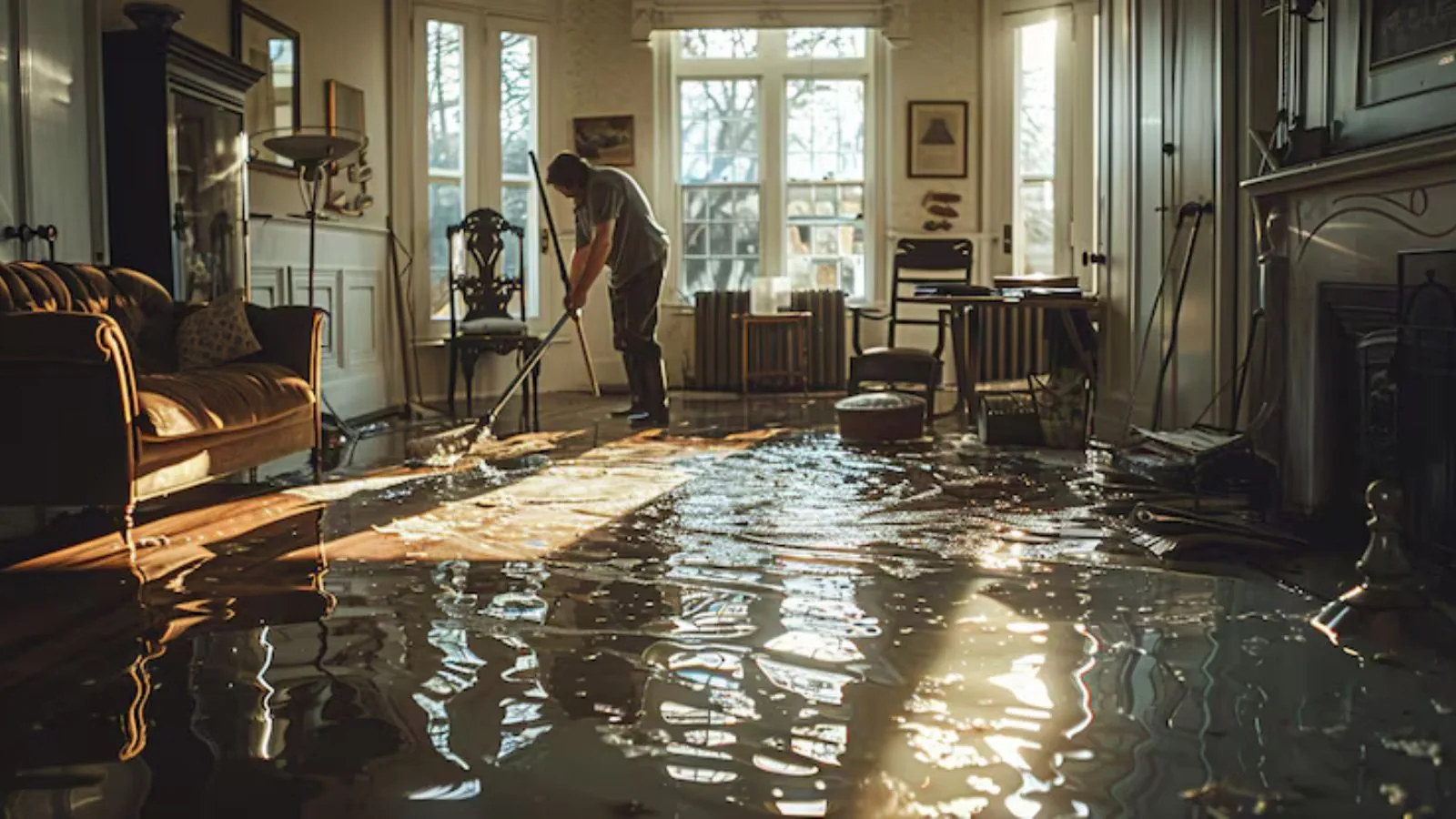
Emergency water extraction in Dickinson, TX is the first phase of almost every serious water loss. Pumps and extraction units pull standing water out of the structure, and moisture readings then show what is still wet underneath. The goal is to stop water from migrating into drywall, subfloor and insulation, because each hour of contact adds to the repair.
Extraction is not the same as drying. A shop vacuum or a few towels can lift a puddle, but they leave the water that has already soaked into padding, baseboards and the bottom of the wall. Professional extraction removes the bulk of it, and structural drying then handles what remains. The structural drying page explains that second phase.
When standing water is an emergency
Water is an emergency when it is still spreading, when it covers more than a small area, when it has reached carpet or wood flooring, or when you cannot tell where it started. Water that sits for a day also changes. Clean water can pick up bacteria from flooring and dust, and the cleanup plan changes with it.
Electrical and sewage safety first
If water is near outlets, power strips, a breaker panel or a running appliance, stay out of the room and do not touch anything plugged in. Cut power only if you can reach the panel while standing on dry ground. Call your electric provider or 911 for any shock or fire risk before you call the restoration line. If the water came from a sewer line or looks dark and smells foul, keep people and pets out as well.
What to do while you wait for the crew
- Stop the source if you can reach the shut-off safely, starting with the main water valve.
- Lift small items, rugs and furniture legs off wet floors, and move electronics to a dry room.
- Photograph and film the water and the damage before anything is moved.
- Open interior doors so the crew can reach every wet room quickly.
- Keep children and pets out of standing water.
Standing water right now? Call the 24/7 line and describe what you see.
How extraction works on site
Crews choose equipment by depth and surface. Shallow water on hard floors is pulled with wand extractors. Deeper water, such as a flooded first floor, calls for submersible pumps that move it out through hoses. Carpet and pad are extracted in place when they are clean enough to save, and cut out when they are not.
After the bulk water is gone, the crew uses moisture meters and a thermal imaging camera to find wet areas that cannot be seen. Cold spots on the camera often mark water behind baseboards or under cabinets. Readings are logged so the drying plan and your insurance file start from the same numbers.
Local factors in Dickinson
Water extraction calls in Dickinson come from two very different situations. One is plumbing and appliance failure inside the home. The other is storm water that has entered from outside, as happened widely during Hurricane Harvey in 2017. Bayou water is Category 3 and is handled under the flood damage cleanup plan, which removes porous materials instead of drying them in place.
In a slab-on-grade house, water spreads flat across the floor and wicks into the base of every wall instead of pooling below. That is why extraction crews check baseboards and the bottom few inches of drywall even when the visible puddle looks small.
The ANSI/IICRC S500 standard for water damage restoration defines the three water categories and the extraction and drying goals that this page describes.
What affects the cost of water extraction
Price depends on how much water there is, how deep it is and what it has touched. We explain scope and price before work starts, after someone has seen the damage.
- Depth and area of standing water, which set pump time and the number of crew members.
- Floor type, since extracting from carpet and pad takes longer than from tile.
- Water category, which decides whether materials are dried or removed.
- Whether drying and demolition follow extraction.
Sudden and accidental water damage is often covered by homeowner policies, and floods usually are not, so check your policy before you assume either way. Photos of the water before cleanup help your claim.
Water extraction questions
Do you handle water extraction emergencies at night or on weekends in Dickinson?
Yes. The line is open 24/7, including nights, weekends and holidays, and the dispatcher routes the call to a crew based on your address and the size of the loss. Same-day service is the goal when crews are available. Shut off the water and follow the safety steps above while you wait.
Can I just rent a wet vacuum and do this myself?
A wet vacuum helps with a small spill. It will not reach water inside walls or under flooring, and leftover moisture is what leads to swelling and mold. For anything larger than a small puddle, extraction plus moisture mapping gives a better result.
How long does extraction take?
Removing standing water often takes hours, not days. Drying takes longer and depends on materials and readings, so the crew measures rather than guessing.
Is extracted water dangerous?
It can be. Water from a sewer line or from outdoor flooding is treated as contaminated, and crews wear protective gear. Do not wade through it without protection.