
The wall feels damp days after the leak was fixed?
If a wall, floor or ceiling still feels cool or damp long after the water stopped, or the room smells musty, moisture is still inside the structure. Pulling that moisture out of framing, subfloor and drywall is called structural drying, and the equipment that does it is known as dehumidification. Without it, a leak that was fixed can still turn into mold and rot.
Structural drying and dehumidification in Dickinson, TX is the second half of water damage restoration. Extraction removes the bulk water, and drying removes what has soaked in. The work follows the ANSI/IICRC S500 standard, which describes how to set goals, place equipment and decide when materials are dry.
How the drying plan starts
Crews begin with moisture mapping. A moisture meter reads the water content of drywall, wood and subfloor, and a thermal camera shows cool, wet areas that the meter would otherwise have to find one spot at a time. The map shows where the wet zone ends, and it becomes the baseline that drying is measured against.
The equipment
- Air movers push air across wet surfaces so moisture evaporates from them.
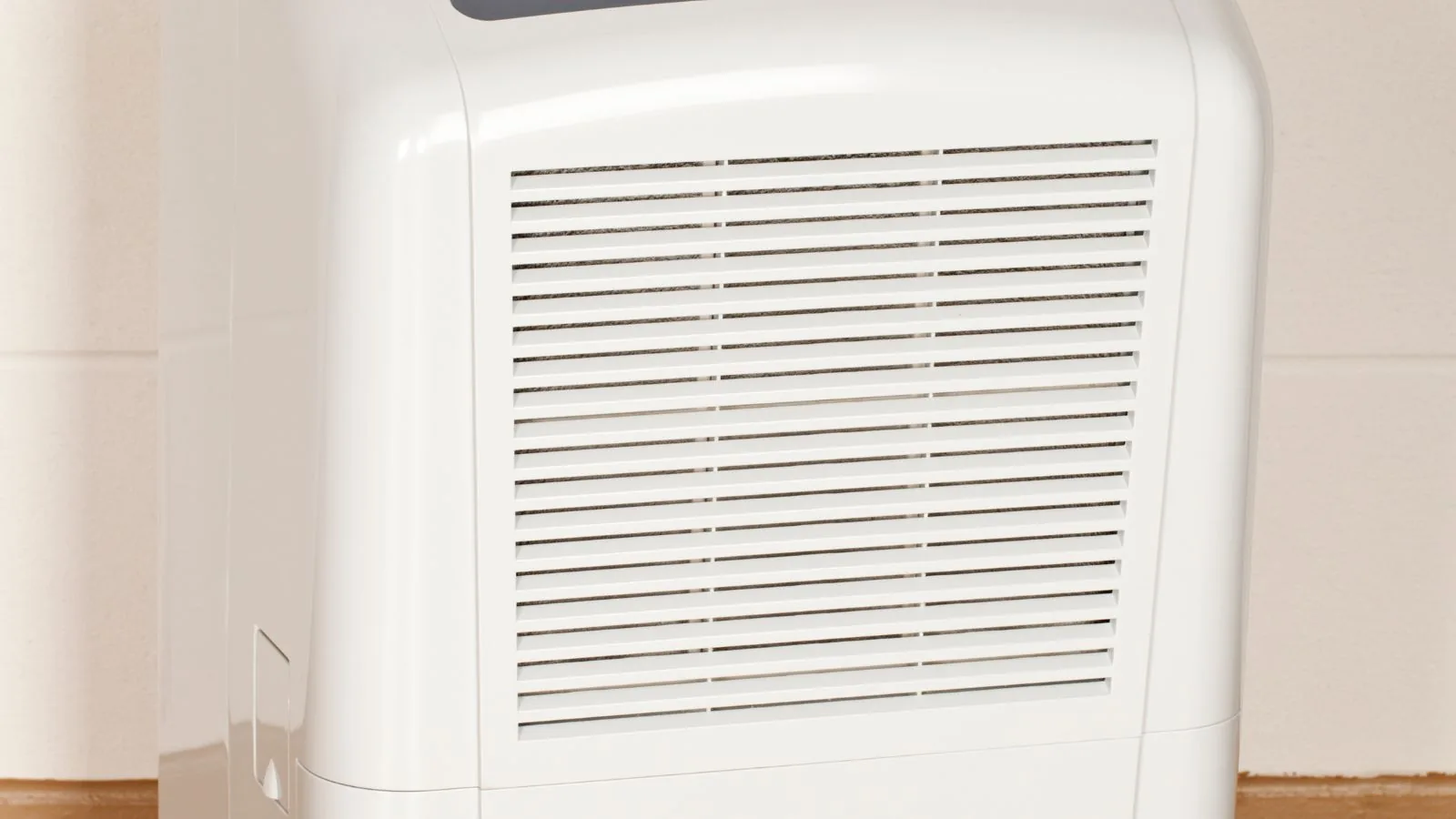
- LGR dehumidifiers pull that moisture out of the air so it does not settle somewhere else.
- Desiccant dehumidifiers serve cold or very dry-demand situations.
- Injection systems push dry air into wall cavities, floor cavities or beneath cabinets.
- Moisture meters and thermal cameras track progress.
Equipment is placed according to what is wet, not by room size alone. In a small closet leak, two air movers and a dehumidifier may do the job. In a flooded first floor, many units run at once.
Want to know whether your home needs drying? Call to talk it through.
Why Gulf Coast conditions matter
The climate around Galveston Bay is humid, so the air itself carries moisture. A dehumidifier works against that. Opening windows to dry a structure often adds humid outdoor air, which is why crews close up affected rooms and control the air with equipment. If the air conditioning is working, it helps, though it is rarely enough alone.
How long drying takes
Drying time depends on the materials, the amount of water and the conditions. Many structures need several days. Dense materials such as hardwood and concrete dry slowly, while drywall dries faster if the cavity is open. Crews return to repeat readings, adjust equipment and decide when the building has reached its dry standard. The standard comes from the unaffected materials in your own home, measured on the same day.
When drying is not enough
Some materials are removed instead of dried. Category 3 water contaminates porous materials, and long-standing moisture can weaken drywall and insulation past the point of saving. The sewage backup cleanup and flood damage cleanup pages explain removal decisions.
Mold needs moisture, so reaching the dry standard quickly is the best defense. If you already see growth, tell the dispatcher so the plan can account for it.
What the daily readings look like
On the first visit the crew records moisture levels in each wet material and compares them with a dry reference taken from an unaffected part of the home. On later visits the numbers drop, equipment is moved to wet spots that remain and units that are no longer needed come out. When every material reads within range of the reference, the job is dry.
The record of those visits is useful for your insurer and for the contractor who rebuilds.
What not to do while drying is under way
- Do not turn off the equipment to save noise or power.
- Do not close off wet rooms or seal vents.
- Do not cover wet walls with paint or paneling.
- Call dispatch if a unit stops or trips a breaker.
Structural drying cost factors
Drying is priced by the work involved, and we explain scope and price before work starts.
- Number of rooms and the cubic space being dried.
- Number of air movers and dehumidifiers and how many days they run.
- Materials that are slow to dry, such as hardwood and concrete.
- Monitoring visits to take readings.
Insurers often ask for drying logs. Ask the crew for the moisture readings and the equipment record.
Structural drying questions
Why does my wall still feel damp after the leak was fixed?
Moisture can stay in drywall, insulation and framing for days or weeks. A moisture meter finds it, and drying equipment removes it.
What equipment is used and do you offer equipment rentals?
Crews use air movers, dehumidifiers, injection systems and meters as part of the restoration job. The equipment runs under crew supervision as part of the work and is not offered as a stand-alone rental.
How long does drying take?
Often several days, depending on materials and readings. The crew decides by measurements, not by a fixed schedule.
Can I use my own fans and dehumidifier?
They help with small spills. They rarely reach moisture inside walls and floors.