
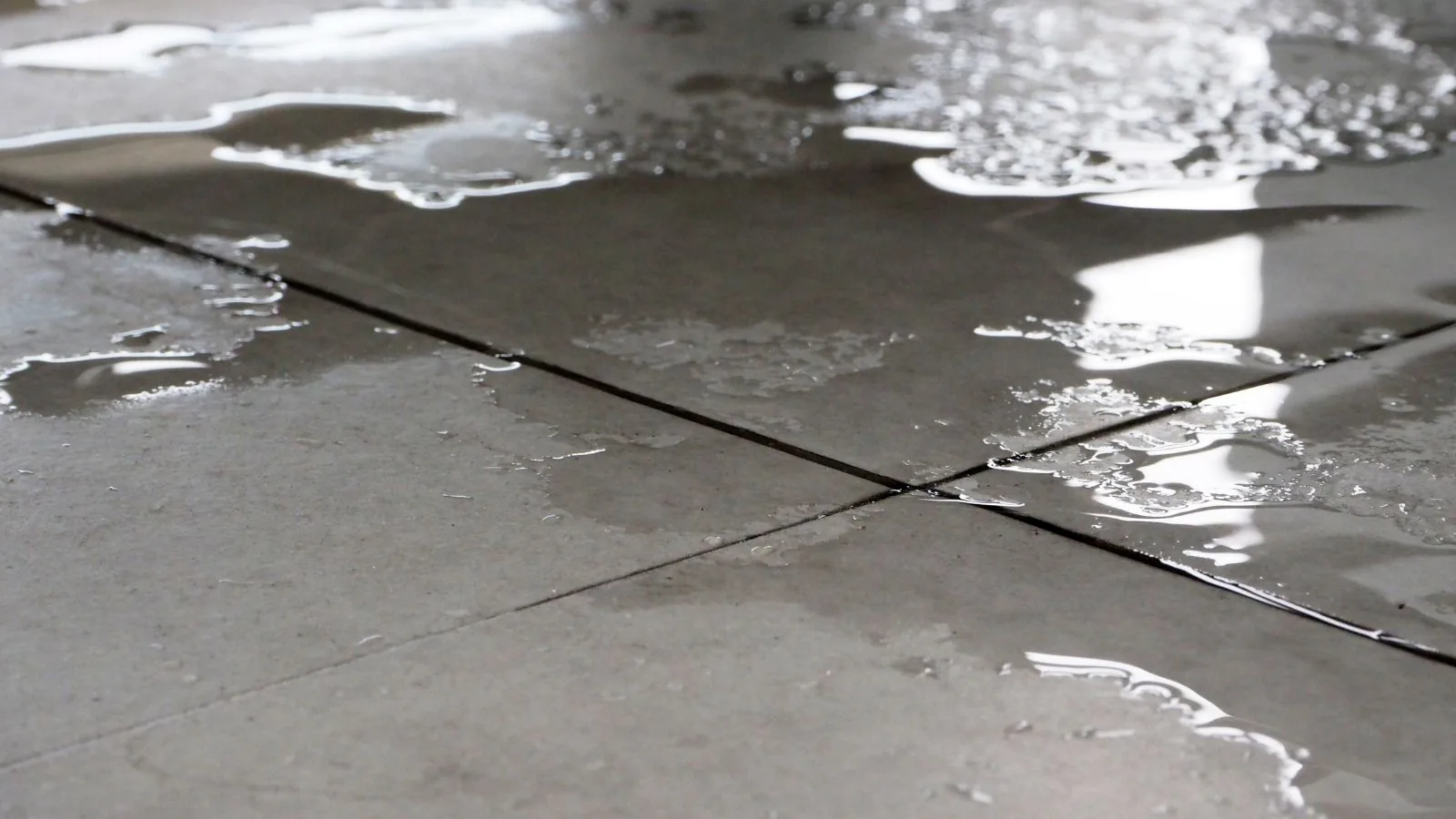
A hidden leak is one you do not see until the damage is advanced. It may be inside a wall, under a floor or above a ceiling, and it can run for weeks. The good news is that a few simple checks can tell you whether a leak exists and roughly where it is.
Step 1: The meter test
Turn off every fixture and appliance that uses water, including the ice maker and any irrigation. Find your water meter, usually in a box near the street, and look at the leak indicator, which is often a small triangle or dial that spins when water is flowing. If it moves with everything off, water is going somewhere. Note the reading, wait an hour without using water and check again.
If the meter moves, close the main valve at the house and check again. If it stops, the leak is inside the house. If it keeps moving, the leak is between the meter and the house.
Step 2: Read your bills
Compare recent water bills to the same months last year. A steady rise with no change in use points to a leak. Many utilities have online accounts that show daily usage, which can reveal a constant flow at night.
Step 3: Toilets
Toilets are the most common hidden leak. Put a few drops of food coloring in the tank, wait fifteen minutes without flushing and look for color in the bowl. If it appears, the flapper is leaking. Fix it, since a running toilet can waste a lot of water.
Step 4: Walk the house
- Look under sinks and behind toilets for dampness, rust and soft cabinet bases.
- Check around the water heater, the washing machine and the dishwasher.
- Look at ceilings below bathrooms for stains.
- Feel exterior walls and baseboards for coolness or softness.
- Listen quietly for hissing or dripping.
Found damp drywall or a wet floor? Call to talk about drying.
Step 5: Outdoors
Look for wet spots in the yard, green patches that stay lush in dry weather or low pressure at outdoor faucets. A leak in the line from the meter to the house often shows outside before it shows indoors.
Step 6: Slab clues
A warm spot on the floor, the sound of running water under the house or damp flooring with no source above can point to a leak under the slab. A licensed plumber can find it with acoustic and thermal tools, and our slab leak water damage page explains the damage that follows.
Step 7: Bring in tools
A professional uses moisture meters, thermal cameras and acoustic devices to find leaks inside walls without tearing them open. If you find the wet area, a restoration crew can map the extent and dry it, as the structural drying page explains. Plumbers repair the pipe, and restoration crews dry the structure.
What to do once you find it
Close the nearest valve, photograph the damage and call a plumber. If materials are wet, call for drying. Keep records, because insurers often distinguish sudden leaks from long-term ones.
Preventing the next one
Know where your main valve is, test it yearly, replace old hoses and keep an eye on your water bill. A smart water monitor or leak sensors near appliances can warn you early.
Common hiding places
Some places hide leaks better than others. Look at the following spots before you assume the problem is somewhere exotic:
- The supply lines behind a refrigerator with an ice maker.
- The drain under a bathroom vanity, where a slow drip can soak the cabinet floor.
- The connection at the back of a toilet.
- The attic around the air handler and its drain line.
- The wall behind a washing machine box.
Keeping a log
Write down your meter readings with the date and time. A simple log of three or four readings over a day shows whether usage is steady, rising or only high at certain hours. When you call a plumber, that log saves diagnostic time and gives them something concrete to work from.
Once the leak is found, drying is done to the ANSI/IICRC S500 standard for water damage restoration, which depends on measured moisture rather than appearance.
A Dickinson note: your water provider
The City of Dickinson website lists a Water Company (WCID#1) for the city, so a question about meter readings or a spike in your bill starts there. The Texas Department of Insurance says policies usually do not cover gradual leaks, which makes finding a hidden leak early financially important.
Ask your provider whether a leak adjustment exists for your account, and keep the plumber's invoice and your meter readings as evidence of when you found and fixed the problem.
Sources: City of Dickinson website, Water Company (WCID#1). Texas Department of Insurance, When are water damage and mold covered by insurance.
Dickinson hidden-leak questions
Who reads the water meter in Dickinson?
Ask the Water Company (WCID#1) that the City of Dickinson website lists.
Can I find a slab leak myself?
You can notice signs, such as warm spots and a moving meter. A plumber confirms and locates it.
Does a high bill from a hidden leak get adjusted?
Some utilities offer leak adjustments. Ask your provider and keep the repair invoice.
Is a hidden leak covered by insurance?
Often not if it was gradual. Ask your insurer and report it when you find it.