
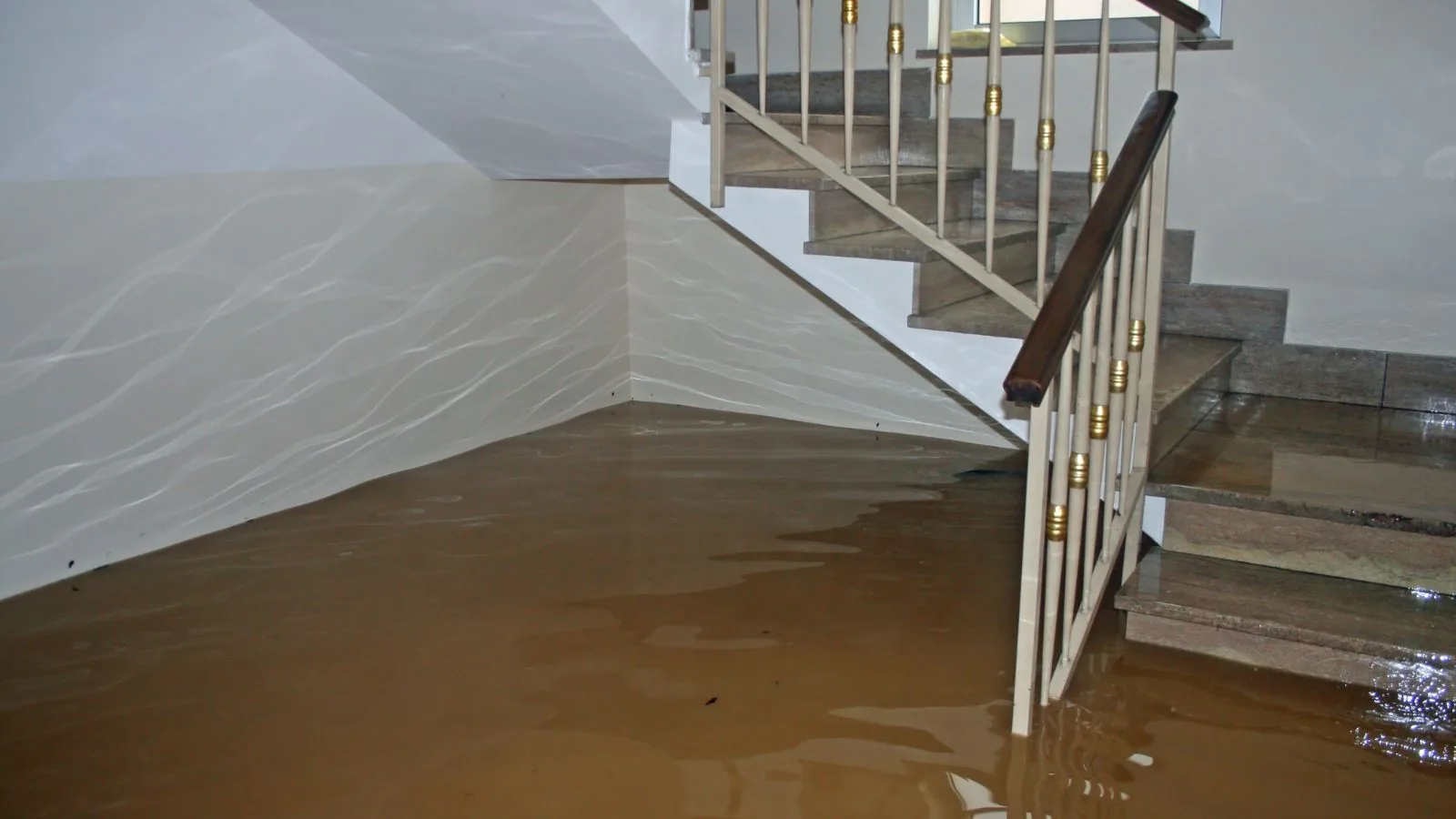
When a restoration professional looks at water damage, the first thing they classify is the water. The industry uses three categories, defined in the ANSI/IICRC S500 standard, and the category sets safety precautions and decides which materials can be saved. Understanding the categories also explains why two leaks of the same size can lead to very different bills.
Category 1: clean water
Category 1 water comes from a sanitary source. Examples are a broken supply line, a leaking faucet or a tub overflow that has not touched anything contaminated. It does not pose a substantial health risk at the start. Drying in place is often possible, and materials such as carpet and drywall can often be saved if the response is quick.
Category 2: gray water
Category 2 water has significant contamination and could cause illness if consumed or contacted. Typical sources are washing machine and dishwasher discharge, toilet overflow with urine but no feces and water from a sump failure. Crews wear protective gear, and porous materials that stayed wet may need removal. Carpet can sometimes be cleaned if the response is quick.
Category 3: black water
Category 3 water is grossly contaminated. Sewage, floodwater from rivers or bayous, water that has risen from the ground and standing water that has sat for days belong here. Bacteria and other contaminants may be present, and exposure can make people ill. Porous materials soaked by Category 3 water are removed, and hard surfaces are cleaned and disinfected.
Do not handle Category 3 water yourself
Sewage and floodwater need protective equipment and careful removal. Keep children and pets away, avoid contact and call a professional. If water is near electrical equipment, stay out and call your electric provider or 911 first.
How categories change over time
Water is not fixed in its category. Clean water that sits can pick up bacteria from flooring and dust and become Category 2 within a day or two. Category 2 water that stays can become Category 3. Warm temperatures speed the change. That is one reason restoration crews push for fast response.
Why the category changes the plan
| Water | Typical source | Usual approach |
|---|---|---|
| Category 1 | Supply line, faucet, tub overflow | Extract and dry in place when caught quickly. |
| Category 2 | Washing machine, dishwasher, toilet overflow | Extract, clean and remove materials that stayed wet. |
| Category 3 | Sewage, flood water, ground water | Remove porous materials, disinfect and dry. |
Not sure what category your water is? Describe it to dispatch.
Classes of water damage
Separate from category, the standard also describes classes of water damage that reflect how much evaporation is needed. Class 1 involves little absorption, and Class 4 involves deeply held water in low-permeance materials such as hardwood, plaster and concrete. The class decides how much drying equipment is needed, and the category decides how contaminated the work is.
Examples around the home
A broken supply line in a kitchen is Category 1 at the start. A washing machine hose failure is Category 2. A sewer backup through a tub is Category 3. A bayou overflow is Category 3, and our flood damage cleanup page covers how those jobs run. For a clean-water example, see the burst pipe page.
What you can do
Note the source and time, photograph the water and avoid touching it if the source is uncertain. Do not use household vacuums on suspect water. Tell the dispatcher what you know so the right crew and equipment are sent.
Categories can change
A loss that starts as Category 1 can become Category 2 or 3 as time passes. Clean water that sits for a day or two in warm conditions picks up bacteria and contaminants from the materials it touches. That is why speed matters and why a professional reassesses the category when they arrive, rather than relying on how the loss began.
A Dickinson note: bayou water and Category 3
Dickinson Bayou flows east through the city for more than 20 miles into Dickinson Bay, with tributaries such as Gum Bayou running through the city as well. Water that rises from a bayou during a storm is Category 3 under the standard. KTRK reported that Dickinson Bayou spilled its banks in July 2024 after more than six inches of rain.
When bayou water enters a home, porous materials soaked by it are removed. The City of Dickinson website lists a Water Company (WCID#1), and it can answer questions about drinking water safety after a flood.
Sources: ANSI/IICRC S500 water damage restoration standard. Wikipedia, Dickinson, Texas. KTRK ABC13 report on July 2024 flash flooding. City of Dickinson website.
Dickinson water category questions
Is rainwater from a roof leak Category 1?
Rain that enters through a roof can start clean, but it passes through insulation and building materials and is often treated as Category 2.
Is bayou water in a Dickinson house always Category 3?
Yes. Floodwater from outside is treated as Category 3 because it carries contaminants from the ground and drainage.
Can Category 2 carpet be saved?
Sometimes, if it is cleaned quickly. Pad is often removed.
How fast can clean water become contaminated?
It can change within a day or two, which is why quick response matters.